
Positive behaviour
support planning
Understanding the person, developing practical strategies and reviewing what works.
ASSESSMENT
Understanding the person behind the behaviour
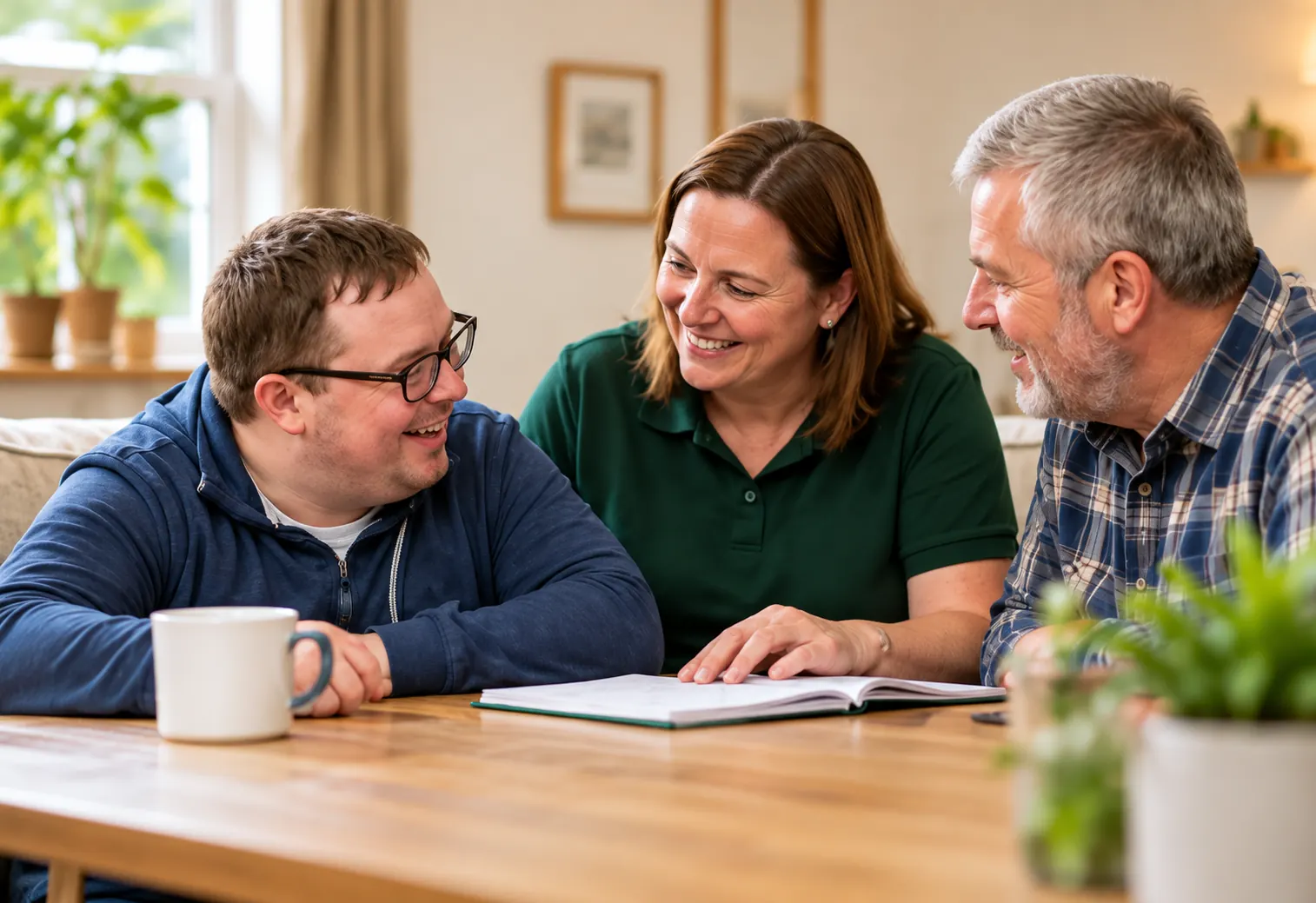
Our assessment looks at behaviour within the context of a person’s life. We bring together relevant information to understand what the behaviour communicates and what may influence it.
01
Listen and learn
Review records and speak with the person, their family, health professionals and others involved in their support.
02
Build a fuller picture
Use the person-centred plan to understand hopes, fears, preferences, strengths and support needs.
03
Establish a baseline
Record the frequency and severity of behaviour to help identify patterns and measure change.
This information helps us develop explanations for the behaviour and create a support plan that tests those ideas in practice.
BEHAVIOUR SUPPORT PLANNING
A plan built around the individual
Our behaviour support plans combine proactive and reactive strategies to support positive changes in behaviour and improvements in quality of life.
Proactive strategies aim to make progress over time through changes to the environment, positive programming and focused support. Reactive strategies guide the response when difficult situations occur.
PROACTIVE STRATEGIES
Creating a better fit
Behaviour is influenced by the physical, social and everyday environment. Our assessment considers how well that environment meets the person’s needs and identifies practical changes that may help.
These changes can improve the fit between the person and their surroundings, reducing avoidable difficulties and creating opportunities for positive behaviour.

Physical surroundings

Social environment

Everyday activities
POSITIVE PROGRAMMING
Building skills for everyday life
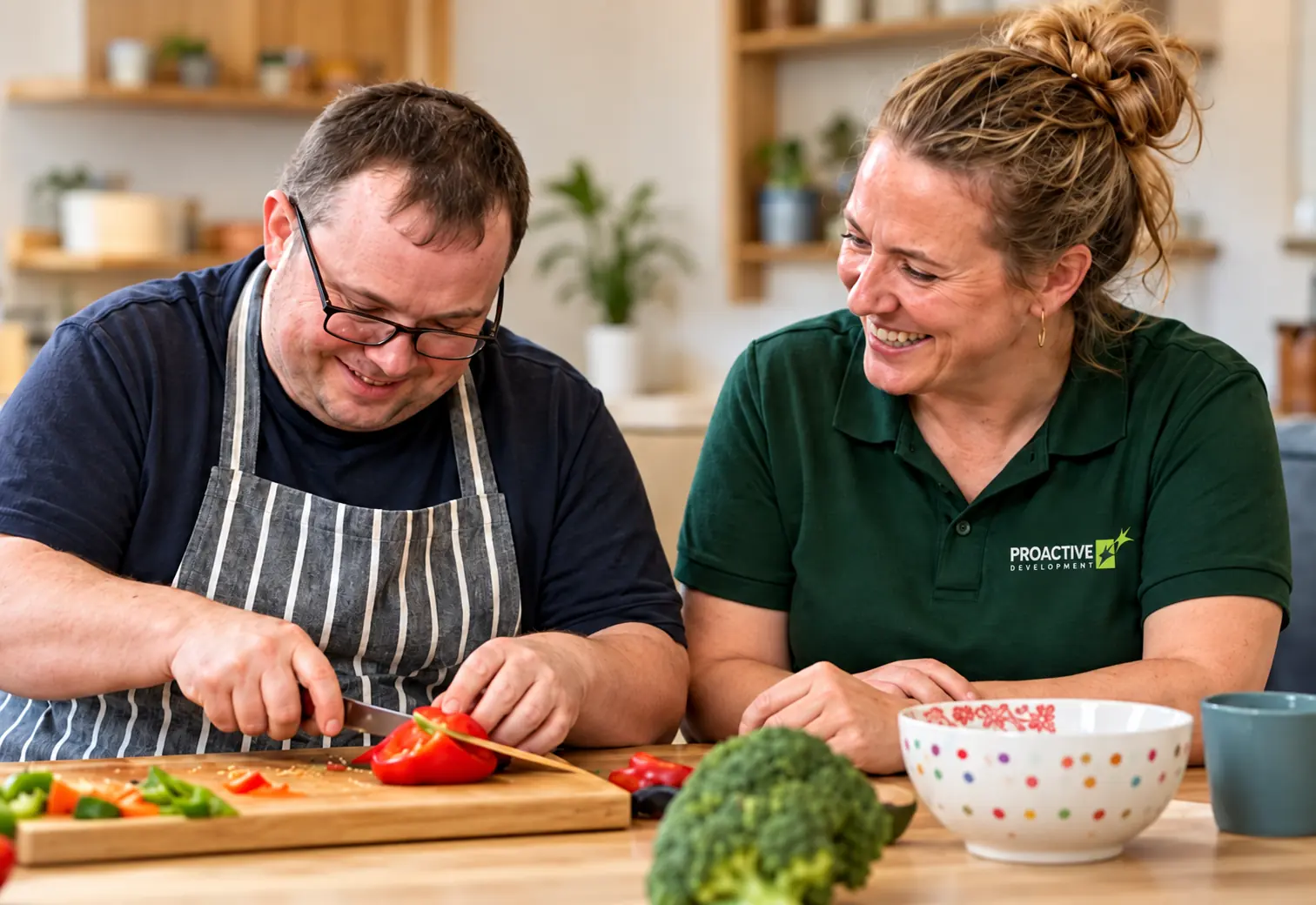
Positive programming develops the skills people need to engage with their environment and manage everyday situations.
Everyday
skills
Develop a wider range of useful responses through rewarding experiences and opportunities to practice.
Communication and alternatives
Learn other ways to express needs and achieve what the behaviour currently does for the person.
Coping and tolerance
Build skills for handling unavoidable difficulties, such as noise, busy places, or disappointment.
REACTIVE STRATEGIES
Clear responses when difficulties arise
When challenging behaviour occurs, reactive strategies help people stay safe and keep restrictive practices to a minimum.
Clear guidelines make responses more consistent and predictable for everyone involved.


EVALUATION
Review, learn and refine
We review support plans regularly to check that they remain effective and relevant.
Let’s talk about individual support
Contact our team to find out more about our approach to assessment and planning.