
Our approach to
positive behaviour
Understanding each person, responding with respect and creating the conditions for a more fulfilling life.
UNDERSTANDING BEHAVIOUR
Every behaviour has a context
We support people with learning disabilities who also experience difficulties with their behaviour. Our approach focuses on helping people develop proactively, rather than simply reacting when difficulties arise.
01
Listen to what behaviour communicates
Behaviour can be a person’s way of expressing something important or coping with stress. Understanding its purpose helps us respond to the need behind it.
02
Look at how support is provided
The way people are supported can contribute to difficult behaviour. A respectful approach considers what we can change to make support more effective.
Comprehensive assessment informs our behaviour support plans. Alongside this, we create everyday environments that encourage positive behaviour from the outset
GOOD HEALTH
Feeling well makes a difference
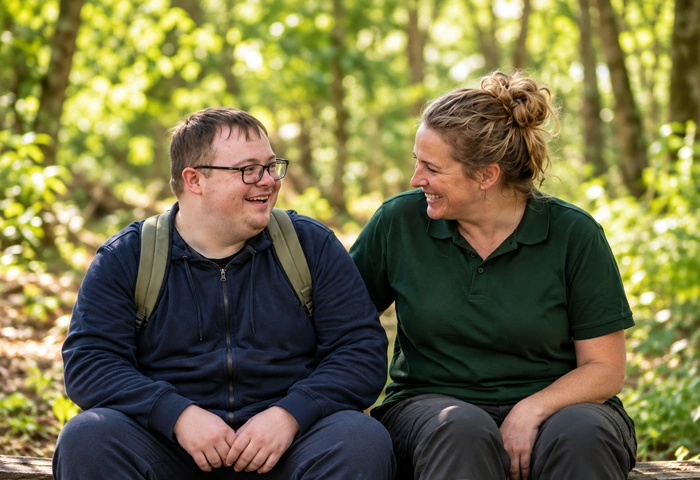
Illness, pain and discomfort can contribute to distress and challenging behaviour. Helping people stay as well as possible is an essential part of our approach.
We encourage healthy living, support regular contact with GPs and other health professionals, share useful health information and help people access treatment fairly.
ACCESS TO SUPPORT
The right help, when it is needed
The world can sometimes be difficult to understand and navigate. Having someone available to help can give people greater security and control.
We promote independence while recognising that people with complex needs may need individual support. People should not have to use challenging behaviour to compete for attention.

Security

Choice

Independence
SMALL, CALM ENVIRONMENTS
Space to feel comfortable
Busy, noisy or overcrowded settings can be difficult for some people, particularly people with autism. Our small services, supporting one to three people, help reduce avoidable sources of stress.
Smaller settings allow more personal support from familiar teams and help us understand what influences each person’s behaviour. Ordinary homes also offer everyday opportunities to develop independence.
POSITIVE RELATIONSHIPS
Helping people live well together
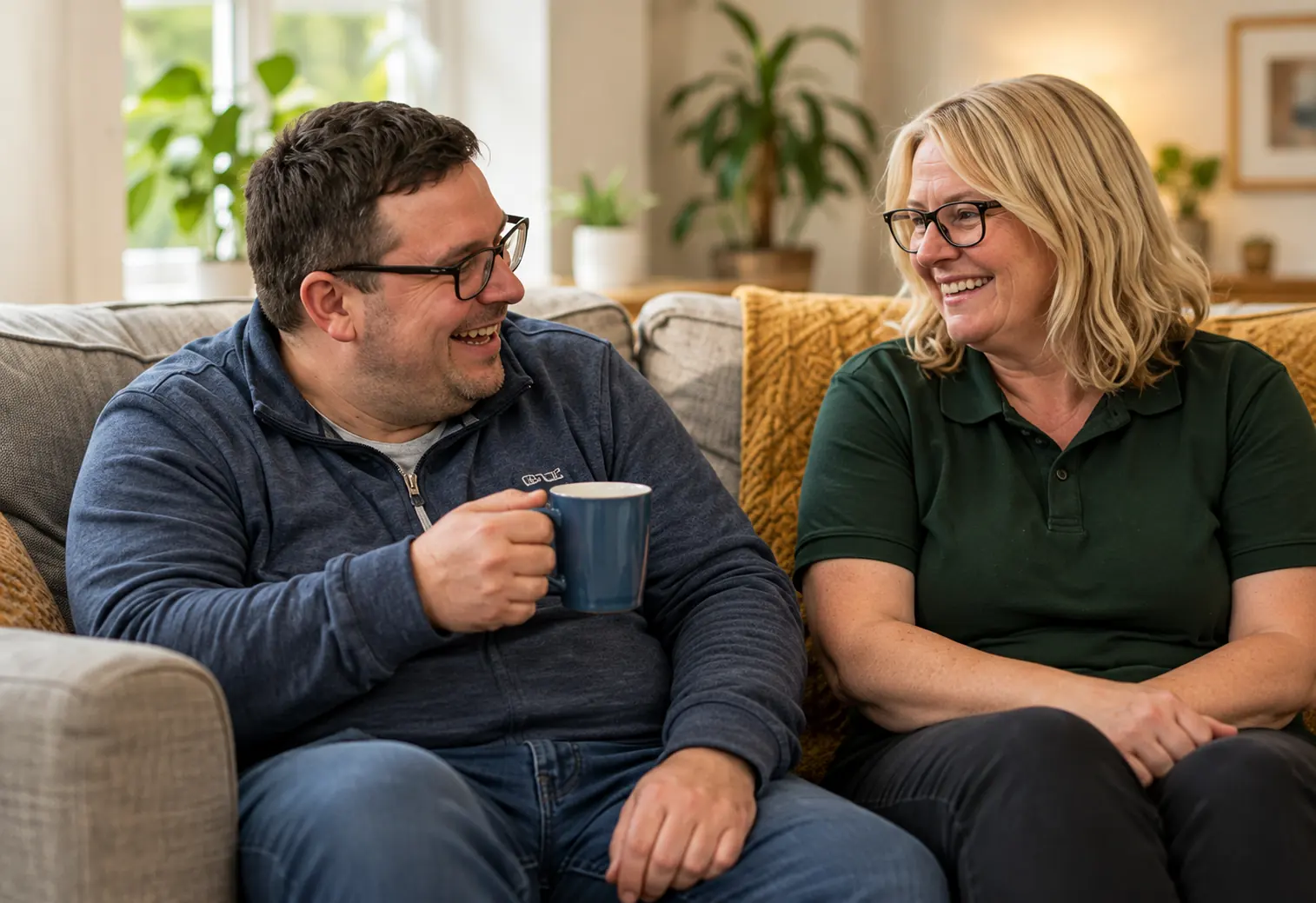
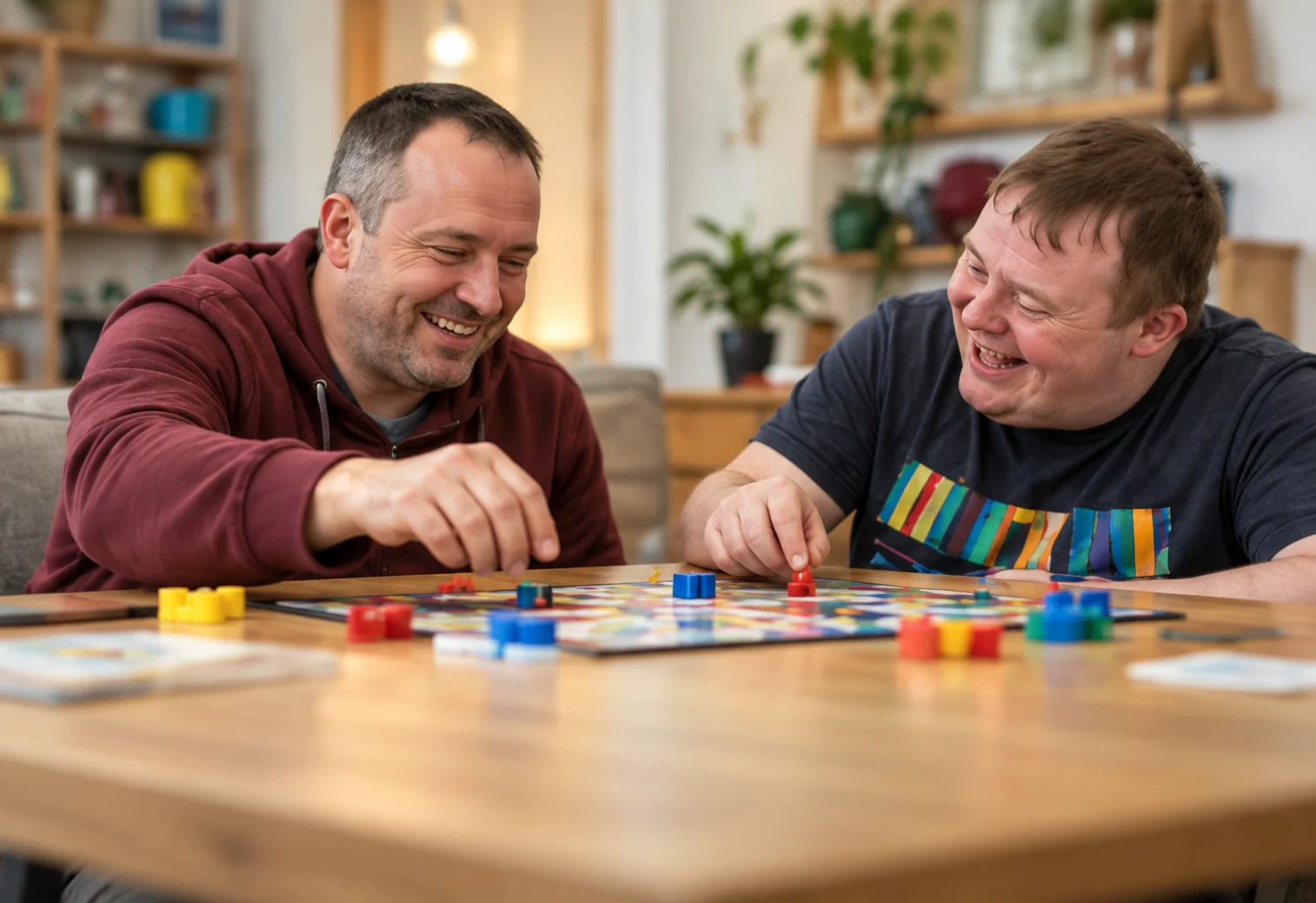
Sharing a home can bring challenges. Communication difficulties, developing social skills and low confidence can affect how people relate to one another.
We help people build these skills over time. During assessment, we also consider compatibility between potential housemates to reduce difficulties and support meaningful relationships.
Understand the person. Build the right support.
Talk to our team about our approach to care and support.